 ATTO 3 MAPENQUIRE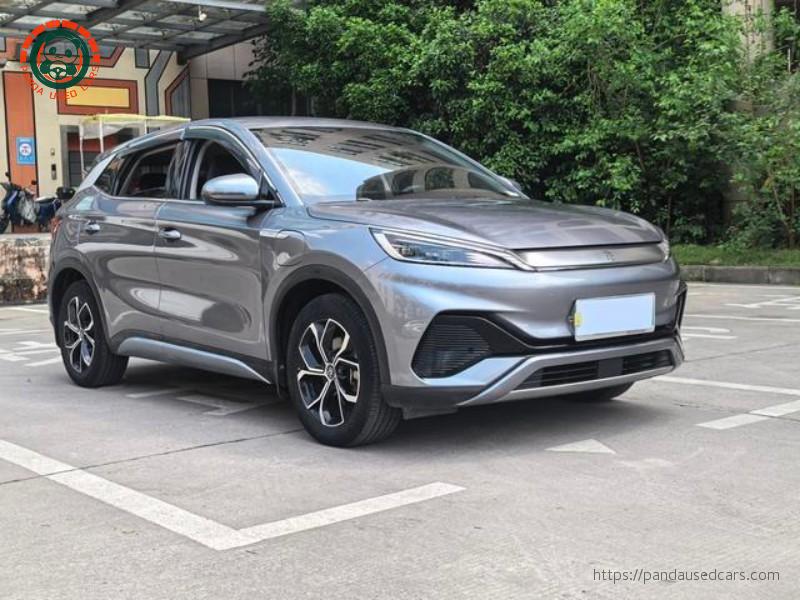
Define the exact decision
Climate performance and heat-pump equipment must be demonstrated on the selected car under recorded ambient conditions.
Record destination country, intended registration class, steering-side requirement, accepted name and model year, battery or range version, charging environment, new or used condition, budget and delivery point. If the candidate or route changes, reopen the affected checks.
Atto 3 and Yuan Plus search results frequently mix domestic China and export-market specifications. Treat every published figure as market context until the selected vehicle’s labels, legal record and installed equipment support it.
Build evidence another buyer can review
Ownership planning should identify destination workshop capability, diagnostics, tyres, brakes, coolant, 12V system, software services, body parts, charging cables and accessories. Warranty or app access must not be assumed to transfer across markets.
Save original records with source and date. Connect photos, diagnostic output, charging demonstration, inspection, quotation and contract to the same VIN. Translations should sit beside—not replace—the source record.
Every conclusion needs a result, limitation, reviewer and refresh point. If evidence conflicts, mark the candidate on hold and resolve the conflict at source rather than choosing the more convenient claim.
Turn claims into checkpoints
| Checkpoint | Required record |
|---|---|
| 1. VIN and original market | Original record tied to the selected VIN and production identity. |
| 2. battery or powertrain label | Dated test with method, conditions, result and limitation. |
| 3. installed charging hardware | Destination effect, responsible party and approval deadline. |
| 4. dated condition evidence | Original record tied to the selected VIN and production identity. |
| 5. destination consequence | Dated test with method, conditions, result and limitation. |
| 6. cost and approval status | Destination effect, responsible party and approval deadline. |
Review the file without relying on the seller’s memory. Another person should be able to identify the car, understand which market specification applies and see which questions remain unresolved.
Evidence controls for this route
Ask a destination workshop what it can diagnose and repair before assigning value to local support. Record lead times for tyres, glass, body panels, charge-port parts, 12V components and battery work. Treat domestic warranty, apps, navigation and updates as unconfirmed without written destination coverage.
Close the review with pass, hold or reject. A hold names missing evidence, the responsible person, deadline and effect on cost or approval. A replacement VIN begins a new record rather than inheriting previous conclusions.
Before contract approval, compare the conclusion with the latest destination requirement and dated vehicle file. Record what must be repeated after repair, software change, battery service, route change or prolonged storage. This prevents an earlier valid observation from being reused after its conditions have changed.
Demonstrate the installed climate system
Identify market version, production date and installed climate hardware before describing a heat pump. Test blower speeds, vent modes, recirculation, temperature response, demist and rear functions at recorded ambient and cabin conditions. Inspect condenser, lines, drains, filters, sensors and evidence of front-end repair.
Record initial state of charge, settings, time to response, warnings and displayed energy effect, then scan climate and thermal-control modules. Link battery-temperature questions to the charging and thermal-management guide and collision evidence to the repair assessment.
A short cool-air demonstration cannot establish hot-weather capacity. Refrigerant and high-voltage compressor work requires competent equipment. Include cabin-energy demand in the destination route reserve instead of treating brochure range as unchanged.
Official context: Compare equipment with BYD’s official Atto 3 market overview, then verify the selected VIN.
What can invalidate the conclusion
Common failures include copied trim descriptions, a brochure from another country, a range figure from a different test cycle, an inlet inferred from the badge, cleared fault codes, warm-only demonstrations, missing destination fees and software features assumed to work overseas.
Do not turn uncertainty into a feature claim. Price an unresolved defect or compatibility question as risk, assign it an owner and deadline, and preserve rejected evidence so it cannot reappear later as current proof.
Carry the answer to handover
Keep the accepted VIN and condition on the quotation, contract, invoice, export documents and loading record. Confirm the carrier’s current EV requirements, battery state instructions, keys, cables, adapters, accessories, odometer and visible condition at handover.
China-side export work cannot decide destination tax, charging access, app region, conformity, registration, warranty or insurance. Obtain destination advice before payment and repeat it if the vehicle or rule changes.
Final evidence checklist
- VIN and original market
- battery or powertrain label
- installed charging hardware
- dated condition evidence
- destination consequence
- cost and approval status
Questions buyers ask
Does every Atto 3 market version have the same heat pump?
Do not assume so. Verify the VIN, market equipment, labels and demonstrated operation.
Can cold air alone prove the system is healthy?
No. Test sustained response, controls, drains, faults, repair history and energy effect.
What should remain open at quotation?
Any unsupported condition, compatibility, service, warranty or destination conclusion should stay visible with an owner, cost consequence and refresh date.